

What are you making room for?
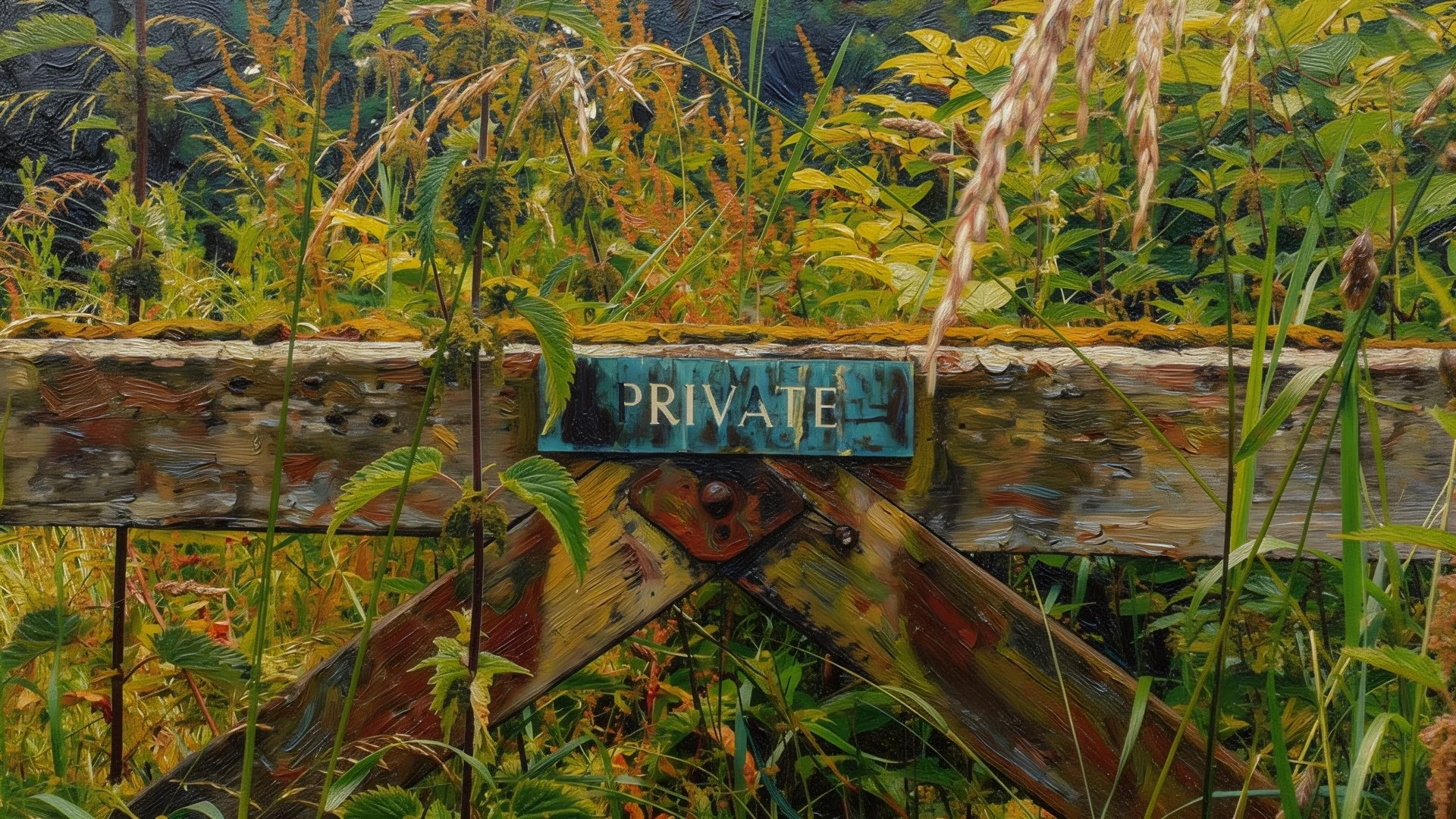
When people talk about burnout, one of the first recommendations that often comes up is boundaries.
And boundaries matter.
But I think we sometimes talk about boundaries as if they’re only about saying no — no to requests, no to work, no to responsibility, no to other people.
And while sometimes they are, I think boundaries can also be about something else: making room for what gives us energy.
One of the difficult things about burnout is that over time, depletion starts to feel normal. We stop noticing what drains us and stop paying attention to what restores us. We become so focused on getting through the day, the week, or the next deadline that we lose touch with what actually helps us feel grounded, connected, energized, creative, calm, or more like ourselves.
And often, the things that deplete us aren’t only tasks.
Sometimes they’re expectations, patterns, relationships, responsibilities we’ve quietly accepted, or ways of working that no longer fit.
At the same time, there are often people, places, practices, and moments that restore us — things that help us reconnect with ourselves and remind us what matters.
I’ve also been thinking a lot lately about values. Sometimes what creates exhaustion isn’t only the amount we’re carrying; it’s the distance between how we’re living and what we value.
Many of us are very clear on what matters to us — connection, justice, family, creativity, rest, community, presence — but when life becomes demanding, our calendars, energy, and attention slowly drift away from those things.
And often we don’t notice until we feel depleted.
Protection isn’t just about removing things. It’s also about intentionally realigning with what gives us life. And boundaries are one tool for doing that.
At the same time, I think it’s important to acknowledge that setting and maintaining boundaries can be hard.
Even when boundaries are healthy, people often experience guilt, discomfort, fear of disappointing others, grief, or anxiety when they begin changing long-standing patterns.
That doesn’t necessarily mean the boundary is wrong. It may simply mean that change is uncomfortable.
Self-compassion is part of sustainable change.
This is one of the things we’ll explore together in Sustainable Justice.
In part 4: Protect, we’ll reflect on what is depleting your energy, identify what restores and supports you, explore where your values and daily life may be misaligned, and begin experimenting with boundaries that create more space for the people and things that matter most.
Not to create a perfect life or eliminate stress, but to begin building a more sustainable relationship with your work and with yourself.
This experience was intentionally designed to feel supportive rather than overwhelming — brief lessons, reflection, guided exercises, community connection, and optional opportunities to go deeper.
Because sometimes sustainability isn’t about doing less.
Sometimes it’s about protecting more of what gives you life.
If this feels familiar, consider this your invitation to notice what’s draining you, reconnect with what matters, and make room for more of what restores you.
