

Field Notes
Field Notes is the journal of Justice with Humanity, sharing reflections and practical tools for professionals working to create more trauma-informed, resilient, and human-centered organizations, communities, and systems.

Justice with Humanity: Is it Attainable?
What does it mean to bring humanity into systems built around rules, procedures, and outcomes? A reflection on the aspirational nature of Justice with Humanity, the influence we have on how people experience justice, and why the distance between justice and humanity may be the very reason for the work.
What are you making room for?
What if boundaries were about more than saying "no"? In this reflection, we explore how burnout can disconnect us from what restores us, why sustainable work requires protecting what gives us life, and how boundaries can help create space for the people, practices, and values that matter most.

What if slowing down was part of the work?
What if slowing down wasn't a distraction from meaningful work, but an essential part of it? In this reflection, we explore why pausing can create space for clarity, values alignment, and sustainable change—and how small moments of rest and reflection can help us reconnect with ourselves before burnout makes the choice for us.
Why Can’t I Think My Way Out of Burnout?
Burnout isn't just something we think our way through—it affects our nervous systems, our emotions, and how we move through the world. In this reflection, we explore why recovery is about more than rest, how chronic stress can change our stress threshold, and why learning to recognize and regulate your nervous system is an essential part of building a more sustainable relationship with your work.

Have You Ever Gotten Sick on Vacation?
Have you ever gotten sick the moment you finally took time off? For many people working in high-stress, trauma-exposed professions, it's a surprisingly common experience. In this reflection, we explore what our bodies may be trying to tell us, why stress often catches up with us when we finally slow down, and how learning to listen with curiosity can be the first step toward more sustainable, human-centered work.

What Would Support Look Like If It Actually Met People Where They Are?
Many professionals working in legal, nonprofit, healthcare, government, education, and other trauma-exposed fields are carrying more than ever—and even seeking support can feel overwhelming. What if meaningful change didn't begin with doing more, but with slowing down long enough to listen? In this entry, we explore the question that inspired Sustainable Justice and why building a more sustainable relationship with our work matters for both individuals and the systems we serve.
Why Do We Ask for Permission to Rest?
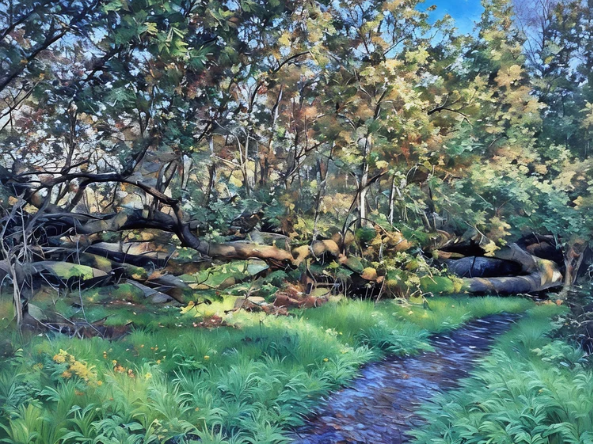
Surviving Systems That Almost Break You
On a recent hike, I came across a massive tree that had fallen. Its trunk was down. Its roots were exposed. Its shape had completely changed. And yet, its roots still reached water.
I have been thinking about how survival does not always look the way we expect, especially for those working inside systems that demand so much. What if resilience is not about standing tall again, but about staying rooted even after rupture?

Victims Are Not Criminals: A Federal Step Toward Survivor-Centered Justice

A Different Kind of New Year: Committing to Your Well-Being in 2026
For years, every New Year, I resolved to take better care of myself. But burnout taught me that real change doesn’t come from discipline—it comes from learning how stress lives in the body and choosing a different way of moving through the year.
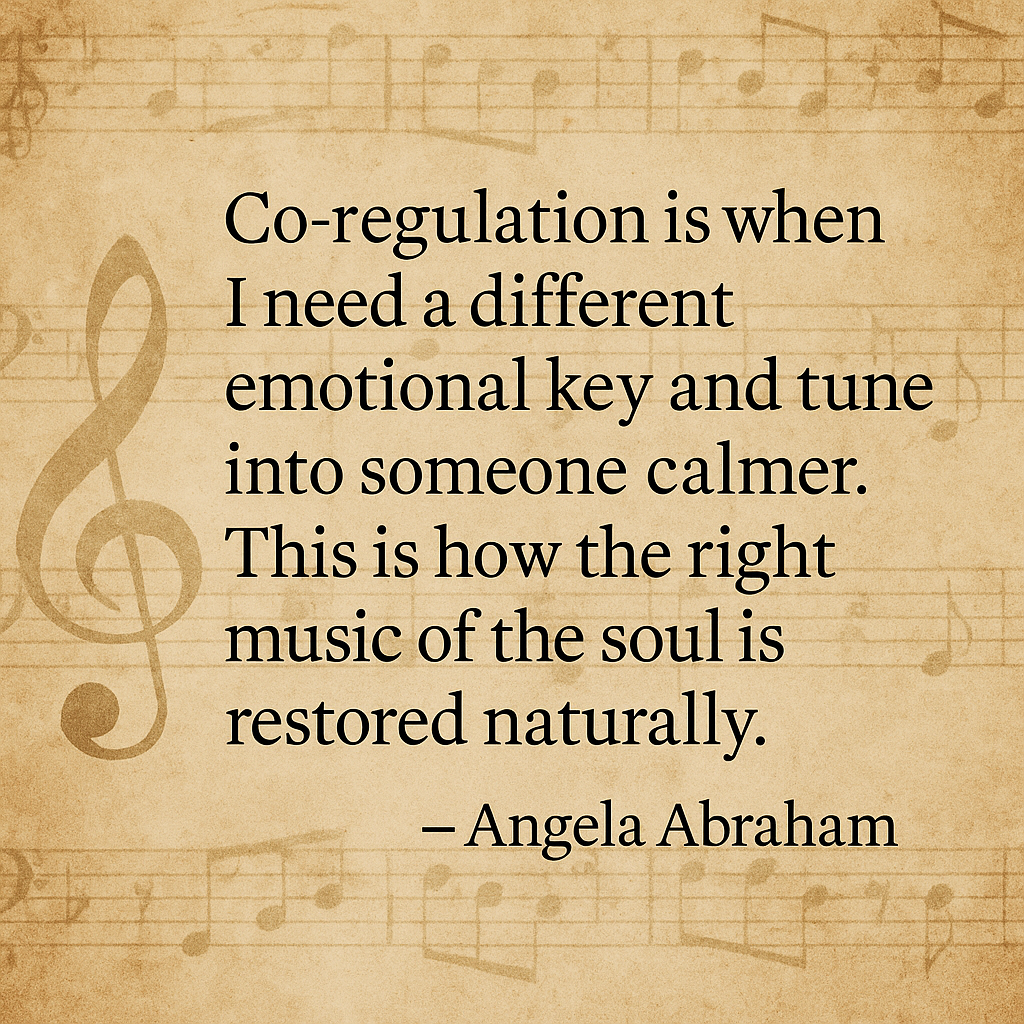
The Power of Co-Regulation: Why Your Calm Can Calm Others