Surviving Systems That Almost Break You
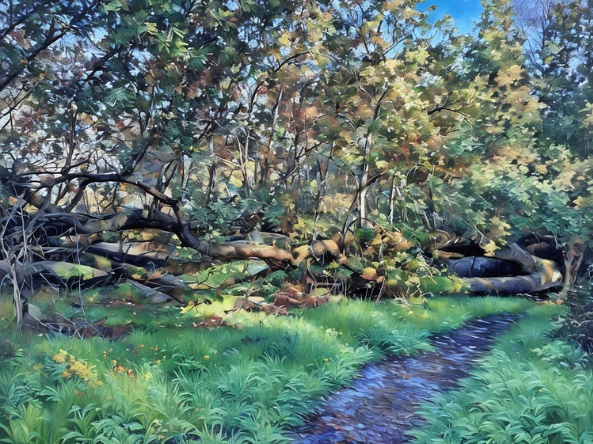
On a recent hike, I came across something that stopped me in my tracks.
A massive tree had fallen in the forest. Its trunk was down, its roots exposed, its shape completely changed. And yet, its roots still reached water, and new growth was reaching toward the sky.
I have been thinking about it ever since, and about how survival does not always look the way we expect.
Many of us in helping professions are not just burned out, we are injured. Emotionally. Morally. Systemically. We work inside systems that often harm the very people we are trying to help. We absorb stories, decisions, and losses that do not disappear at the end of the workday. Over time, that kind of exposure leaves a mark.
We are often told that resilience means bouncing back or standing tall again. But that is not always how survival works.
Sometimes perseverance looks quiet. Sometimes it looks like adapting to a new shape after something has fallen. Sometimes it looks like staying rooted to purpose and values even when the structure around you has failed. Being upright is not the same as being alive.
What I see, again and again, is people who keep showing up for others even after systems have nearly broken them. People who find ways to remain connected to meaning and care, even when the cost is high, and the support is thin.
If this resonates, know this: you do not need to fix yourself. You do not need to return to who you were before. You do not need to perform strength.
This moment may be asking for something quieter. Staying connected to what still nourishes you. Allowing yourself to take a different shape. Letting it be enough to still be here, still rooted, still reaching in whatever way is possible right now.
Emotional injury is not a personal failure. It is a human response to prolonged exposure to harm. And survival does not always look dramatic or triumphant. Sometimes it looks like continuing with honesty, care, and a willingness to grow in different ways.
This reflection continues to guide my work with Justice with Humanity. Not how we perform resilience, but how we live, adapt, and stay connected after rupture.
This is why caring for the nervous system matters.
Not as another thing to optimize or fix, but as a way to stay connected to ourselves while working within systems that demand so much.
When we understand how chronic stress and trauma exposure live in the body, we can begin to respond with more honesty, compassion, and sustainability for ourselves and for the people we serve.
“Nervous System Care for Lawyers, Advocates, Educators, and Helping Professionals”
Justice with Humanity is hosting a live Learning Lab focused on nervous system care for people working in trauma-exposed and justice-oriented roles. This training is being designed in direct response to the realities many of you are navigating, and your survey responses will help shape it.
Date: March 11, 2025
Time: 9:00 am PST/ 11:00 am CST / 12:00 pm EST
Length: 75 minutes
Format: Live Virtual (Zoom)
Pricing: $10 students, $25 government/nonprofit sector, $35 private sector
This training focuses on understanding how the nervous system responds to chronic stress and trauma exposure, and on learning practical, accessible tools that can be integrated into day-to-day life to support regulation, resilience, and sustainability.
New Group Registration Option
By request, we’ve added a discounted group registration option for organizations that want to attend together.
Nonprofit & government organizations: $300 for up to 20 participants
(approximately a 40% discount on individual registration)Private sector organizations: $500 for up to 20 participants
(approximately a 30% discount on individual registration)
This group rate is designed to make it easier to invite your entire team or organization to participate together, support shared learning, and build a common language around nervous system care and sustainability in trauma-exposed work.
Group registrations include access for up to 20 attendees through a single registration link.
This work is about staying human inside systems that often forget how. I’m honored to be in community with you as we learn what it means to care for ourselves and each other.
